RESEARCH

Research at Flower Garden Banks National Marine Sanctuary (FGBNMS) falls into two categories:
- Sanctuary Implemented Research - projects initiated and implemented primarily by the sanctuary's research team.
- Sanctuary Facilitated Research - projects facilitated by the sanctuary's research team, but initiated and implemented primarily by other researchers.
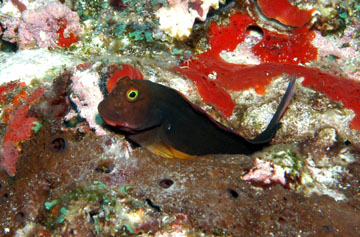
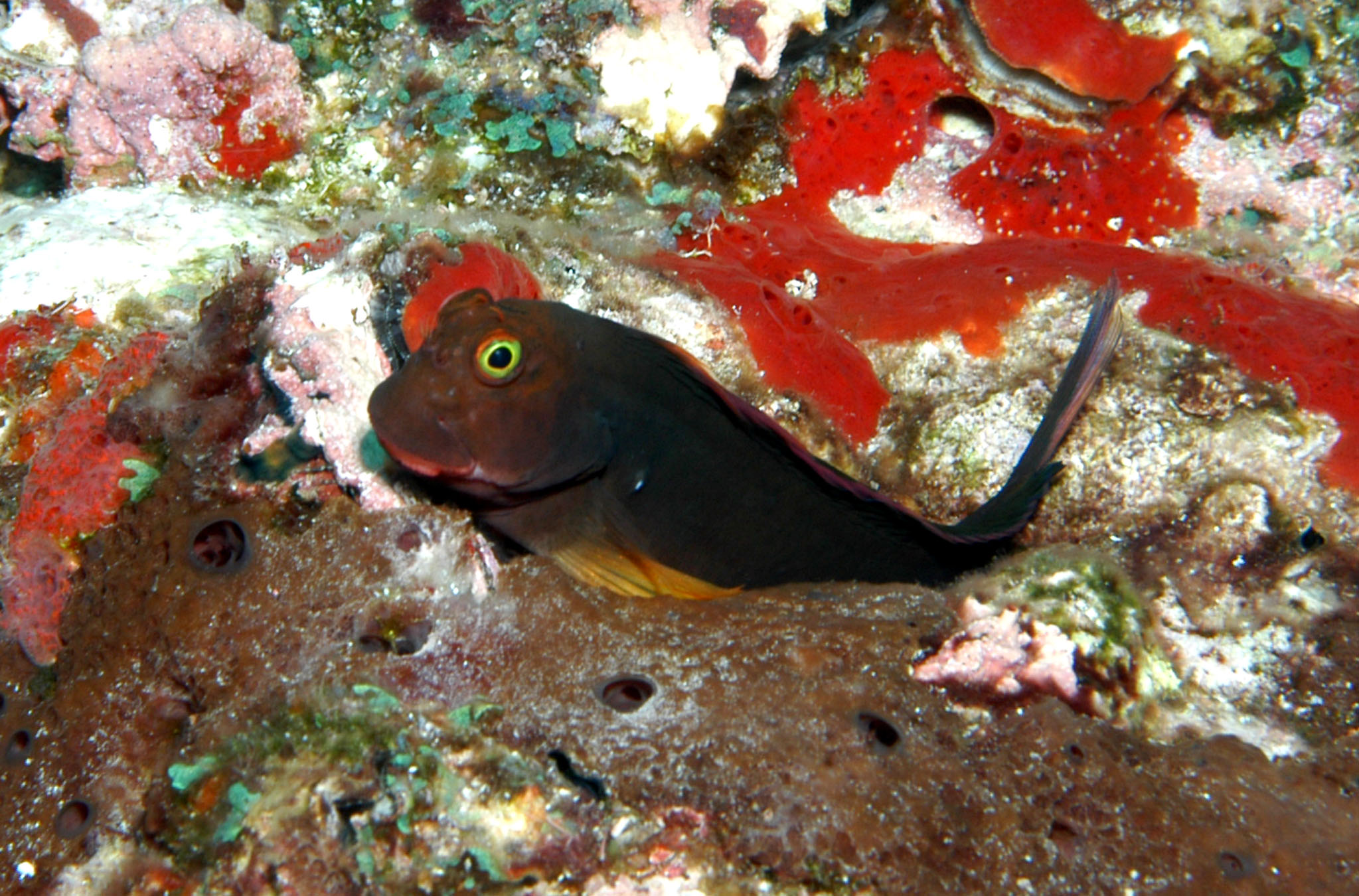
A red-lipped blenny peeks out of a sponge.
Sanctuary staff conduct research both inside and outside sanctuary boundaries to address management issues.
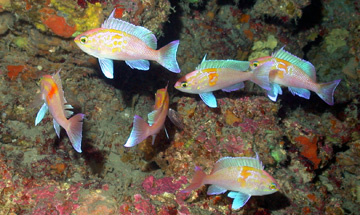
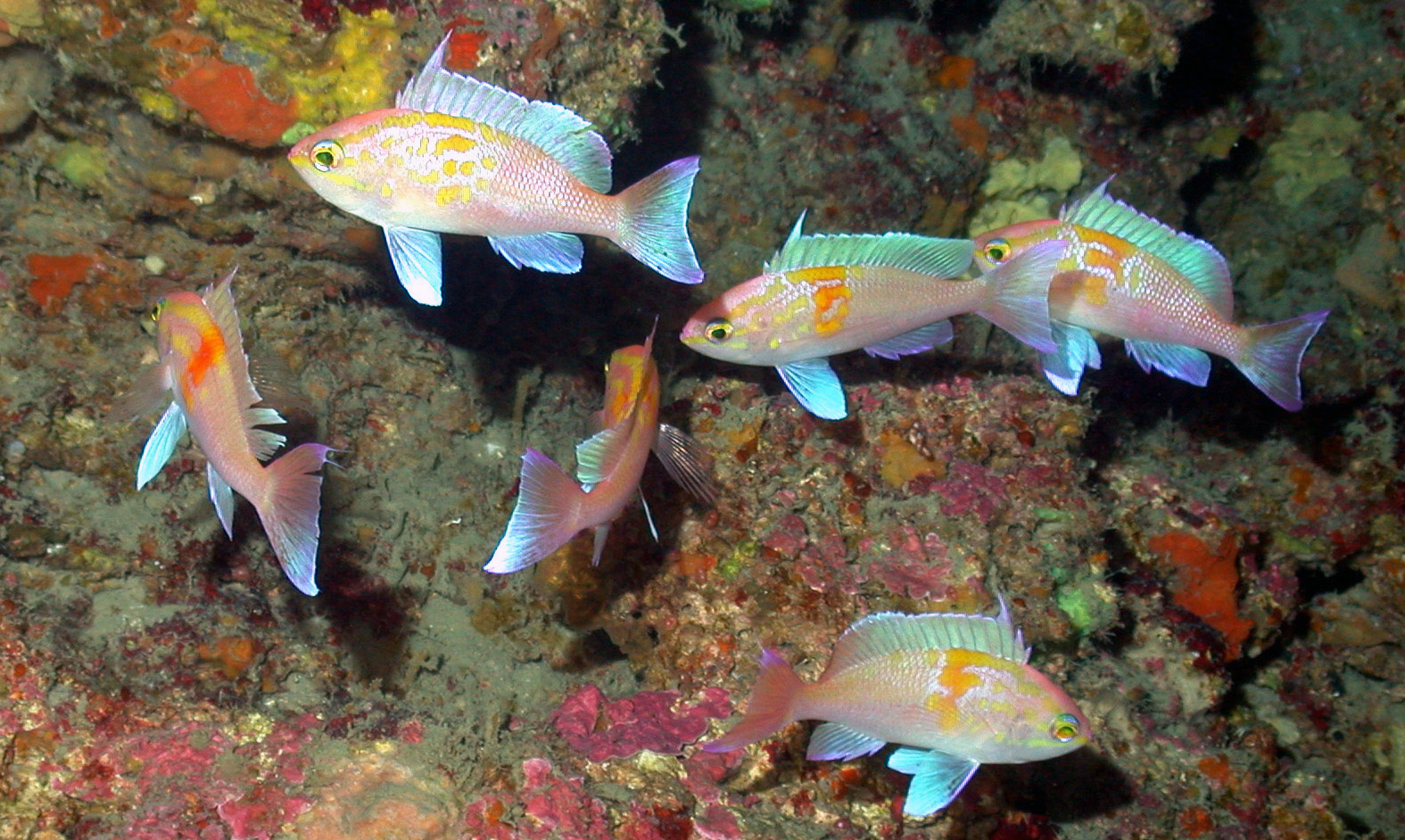
Several rough-tongue bass gather in deepwater habitat.
Since 2001 we've been actively exploring the deepest parts of the sanctuary with the goal of defining habitat zones and developing detailed habitat maps. Outside of sanctuary boundaries, we have been mapping, ground-truthing, and describing the biology and habitats of other reefs and banks in the northwestern Gulf of Mexico, which led to the 2021 sanctuary expansion. For a more detailed description of this process, please visit our Habitat Characterization page.
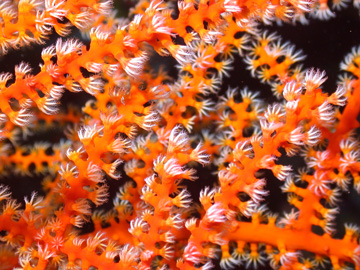
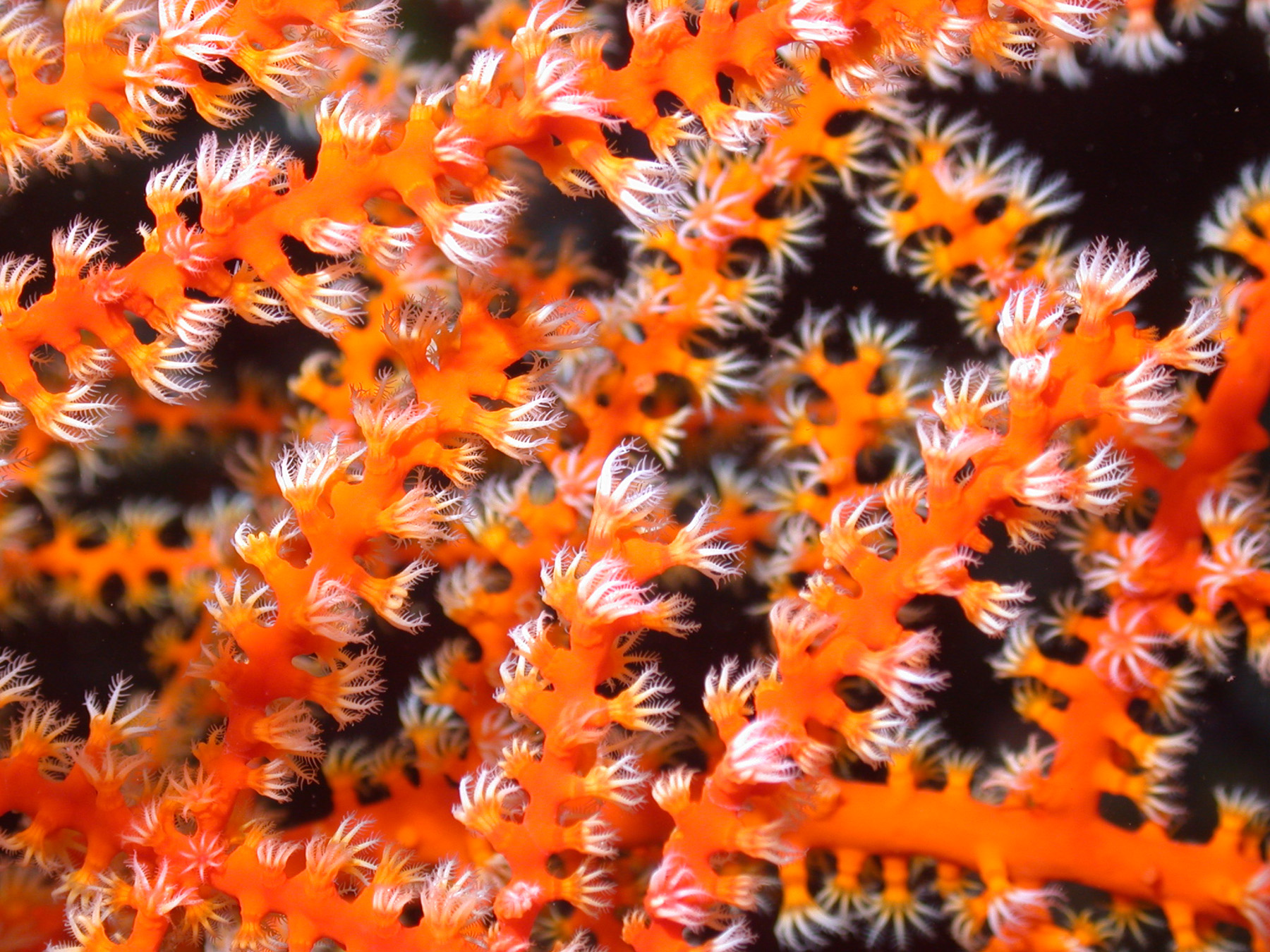
A deepwater octocoral (Swiftia species) encountered during sanctuary explorations.
This effort has also led to the development of a GIS-based mapping tool that is readily accessible from our home page using the  button.
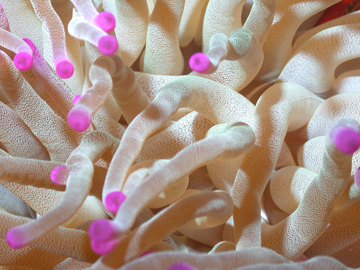
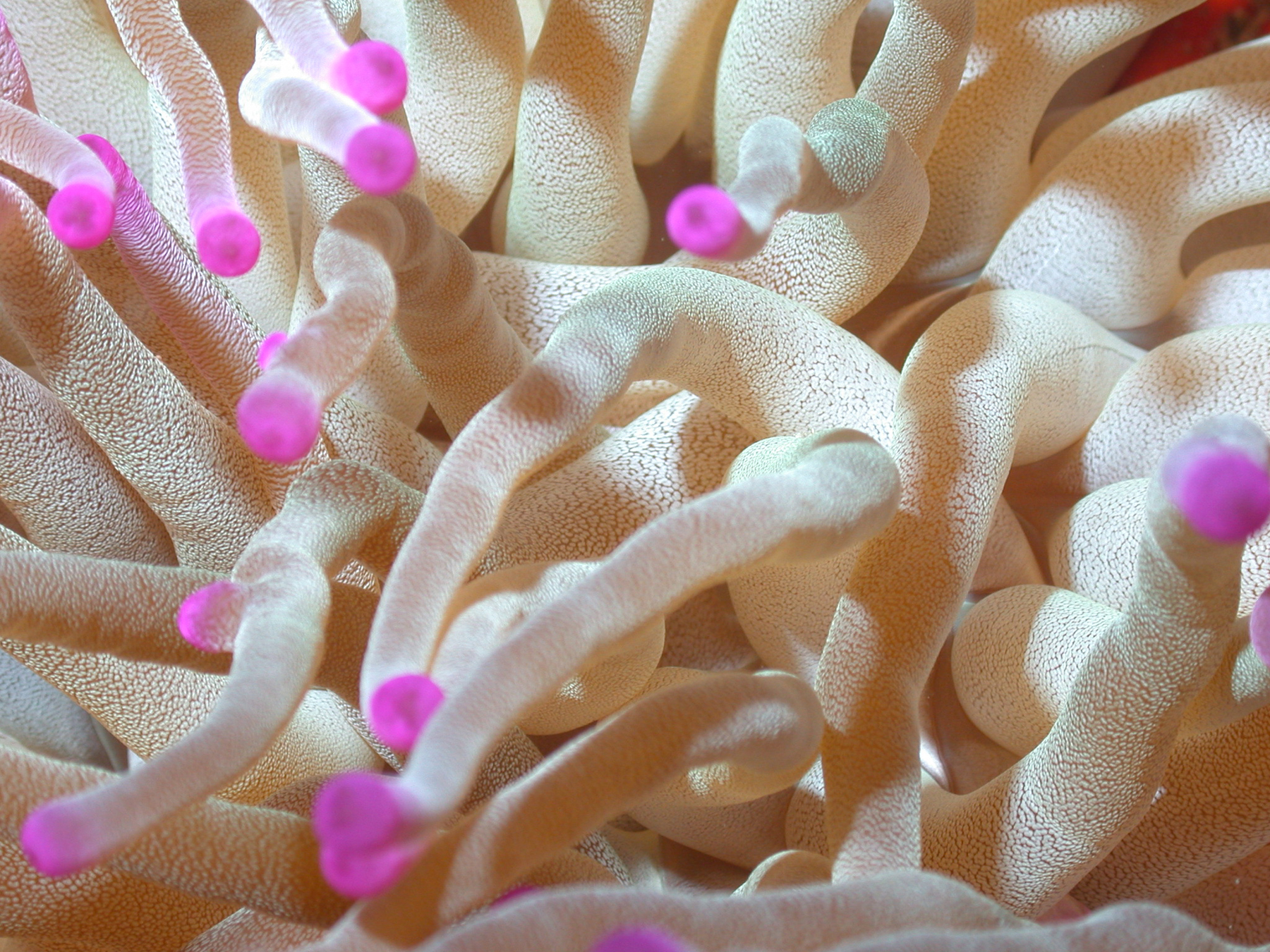
A giant anemone as seen by an ROV.
Much of this information was referenced during the sanctuary's management plan review process, which resulted in the new 2012 Management Plan. In fact, one of the proposed actions in the revised plan is to consider incorporating some of the other regional reefs and banks into the sanctuary to offer them added regulatory protection.
Flower Garden Banks National Marine Sanctuary provides an opportunity to research questions in a relatively healthy reef system, and may also serve as a comparison site for many types of investigations. For these reasons, we strongly encourage researchers to conduct studies in the sanctuary.
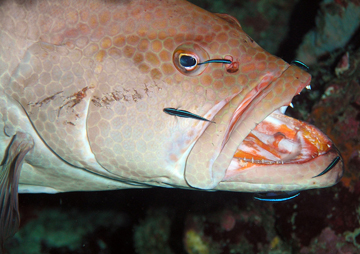
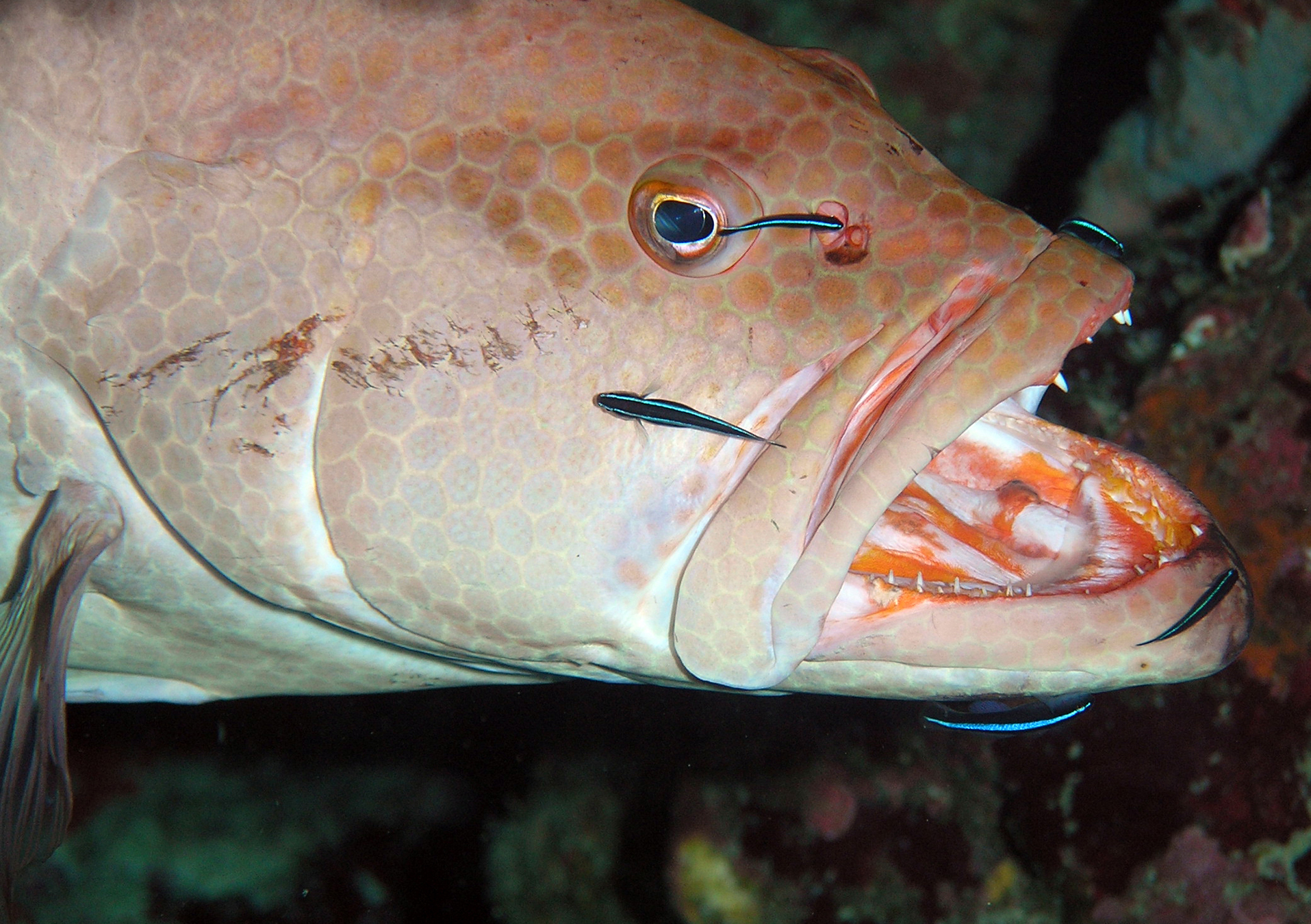
A tiger grouper (Mycteroperca tigris) enjoys a cleaning by neon gobies (Gobiosoma oceanops).
If you are a graduate student or principal investigator (PI) interested in conducting research in the sanctuary, you should contact the sanctuary directly to discuss your research ideas prior to launching a project. We will do our best to help you realize your goals while adhering to sanctuary regulations and policies.
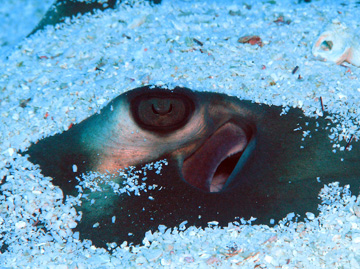
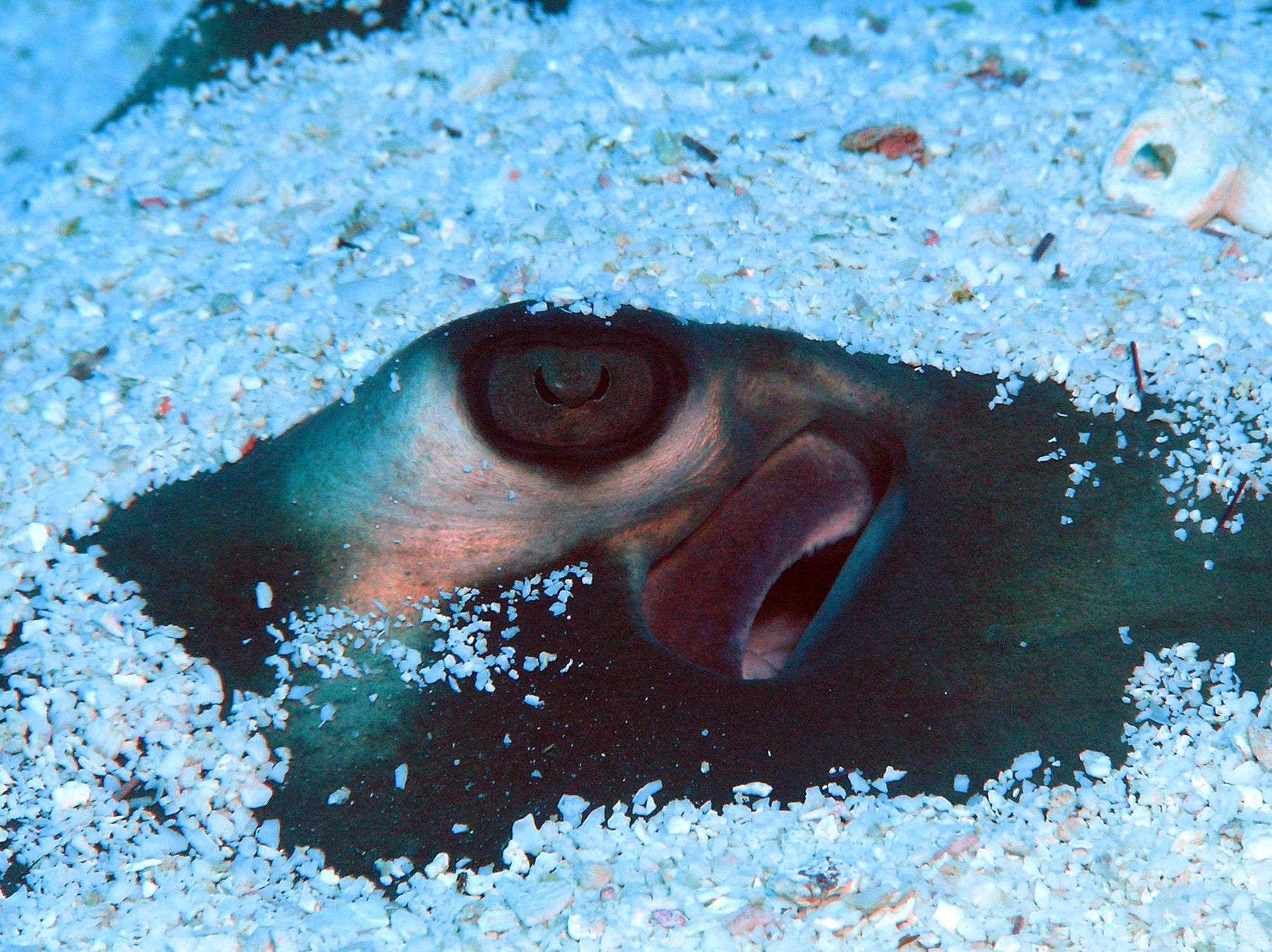
A southern stingray (Dasyatis americana) hides under
a layer of sand.
Access to Flower Garden Banks National Marine Sanctuary as a research site often proves to be challenging. The distance from shore and environmental conditions often cause research cruises to be postponed.
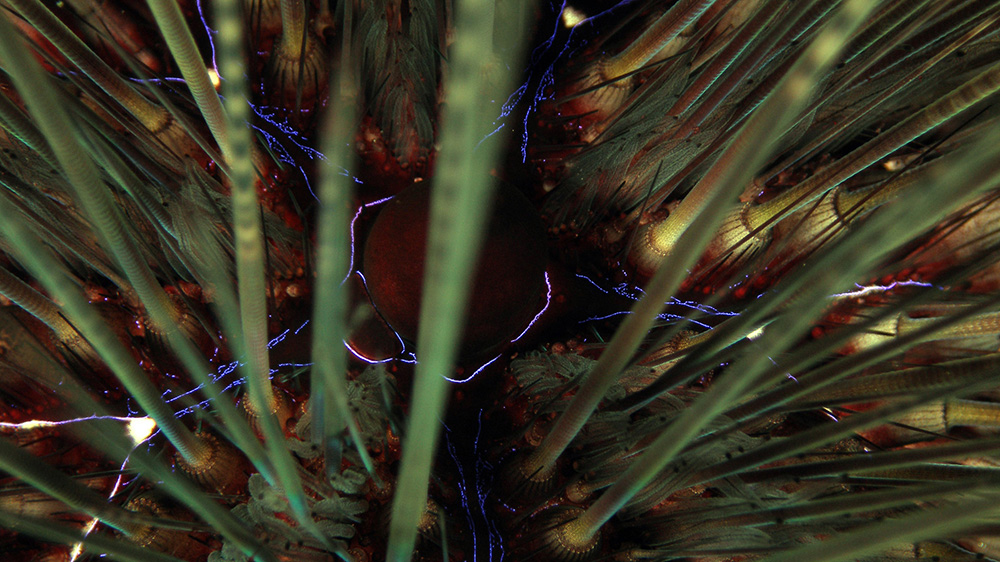
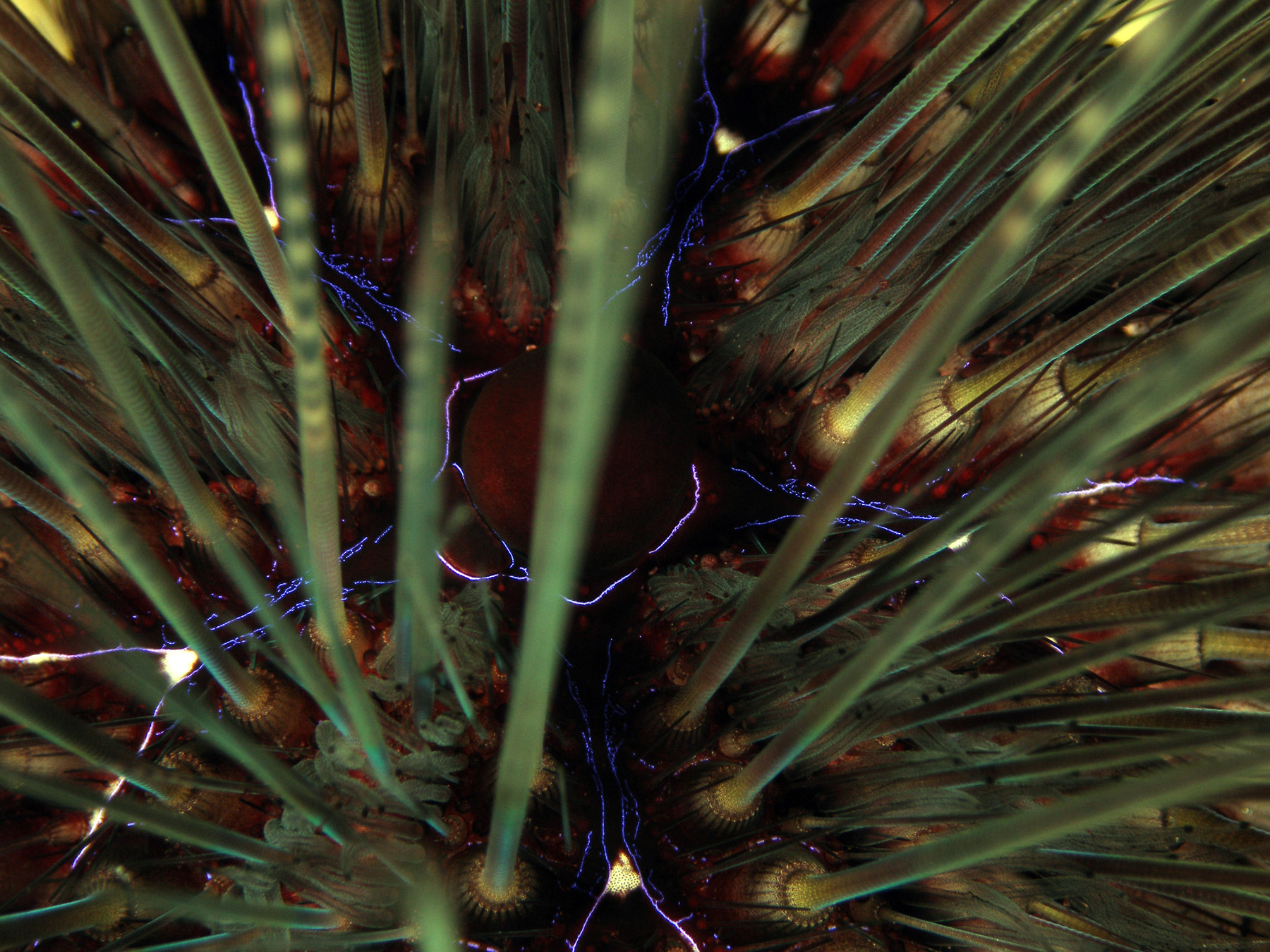
A close up view of a long-spined sea urchin (Diadema species).
Because of this, we do our best to facilitate access to the reefs. This is accomplished in several different ways.
- Research slots on recreational charters: Gulf Diving, Inc., a local charter operator, has agreed to provide access to the site for researchers who have been approved by the sanctuary. Slots are provided to the researchers, as available (i.e. not sold to a recreational diver), for a reduced price. Researchers are responsible for all costs.
- Sanctuary research vessel: The sanctuary maintains and operates a research vessel, the R/V MANTA. This vessel may be available for use by researchers conducting projects at the sanctuary.
- If a project requires dedicated ship time, the R/V MANTA can be provided for a day rate covering crew, fuel and food.
- Ship time aboard sanctuary scheduled cruises will be available as space allows, on a first come, first serve basis. This is coordinated and funded through the sanctuary office. Divers are required to hold a NOAA Diving certification or a certification with an agency that has reciprocity with NOAA Diving.
Most research activities will require a Research Permit.
top of page